
RORC Easter Challenge | Coaching, Competition and the Perfect Start to the Season
.jpeg "North Sails experts coaching at RORC Easter Challenge © Paul Wyeth/RORC")
The RORC Easter Challenge, organised by the Royal Ocean Racing Club, returns to the Solent from 3 to 5 April 2026, offering one of the most effective ways for racing teams to prepare for the season ahead.
Hosted from the RORC Cowes Clubhouse, the three day regatta combines high quality racing with world class coaching, making it one of the most valuable early season events in the racing calendar. Teams compete in short Solent races during the day before reviewing their performance through detailed video analysis and coaching sessions each evening.
RORC Racing Manager Chris Jackson explains why the event has become a cornerstone of many teams’ calendars:
“The Easter Challenge is about improving performance as much as competing. The combination of proper racing on the Solent and structured coaching sessions gives teams a chance to test their setups, sharpen manoeuvres and refine communication on board. It is the ideal way to start the season.”
A key element of the event is the on the water coaching programme, led by Richard Moxey, former National Keelboat Development Manager at the Royal Yachting Association. Moxey and his team observe racing from RIBs, capturing video and data that is analysed during evening debriefs.
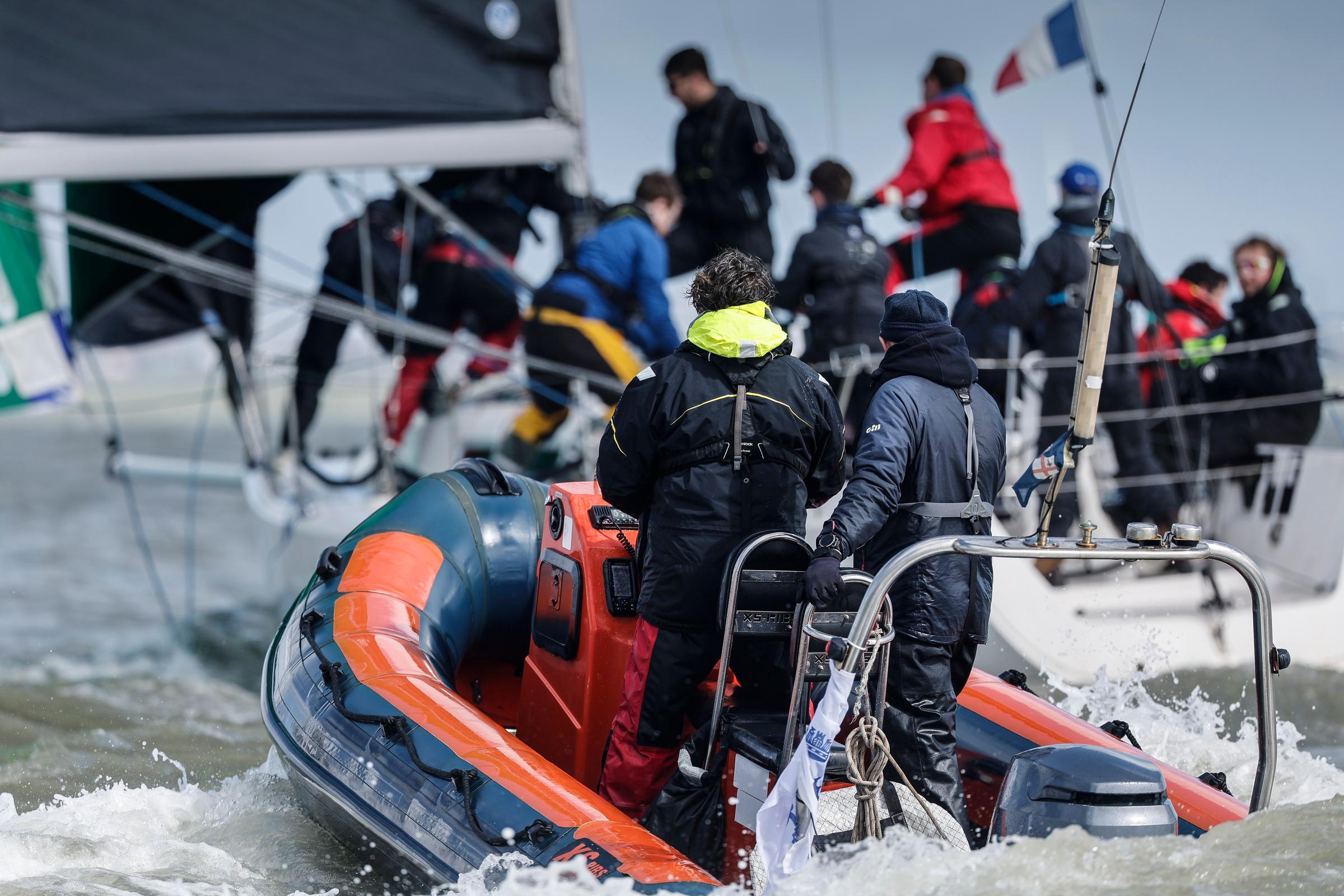 RORC Easter Challenge Coaching © Paul Wyeth/RORC
Q&A with Richard Moxey | Leading the Coaching Programme
Q1 What makes the RORC Easter Challenge different from other early season regattas?
It is rare to receive coaching during an IRC regatta, so it is a great opportunity for teams who are not used to having someone analyse their performance. The Easter Challenge also has a collaborative and light hearted atmosphere. Competitors are often just as focused on improving as they are on winning. It is the perfect way to start the season, bring the crew back together and perhaps win some chocolate along the way.
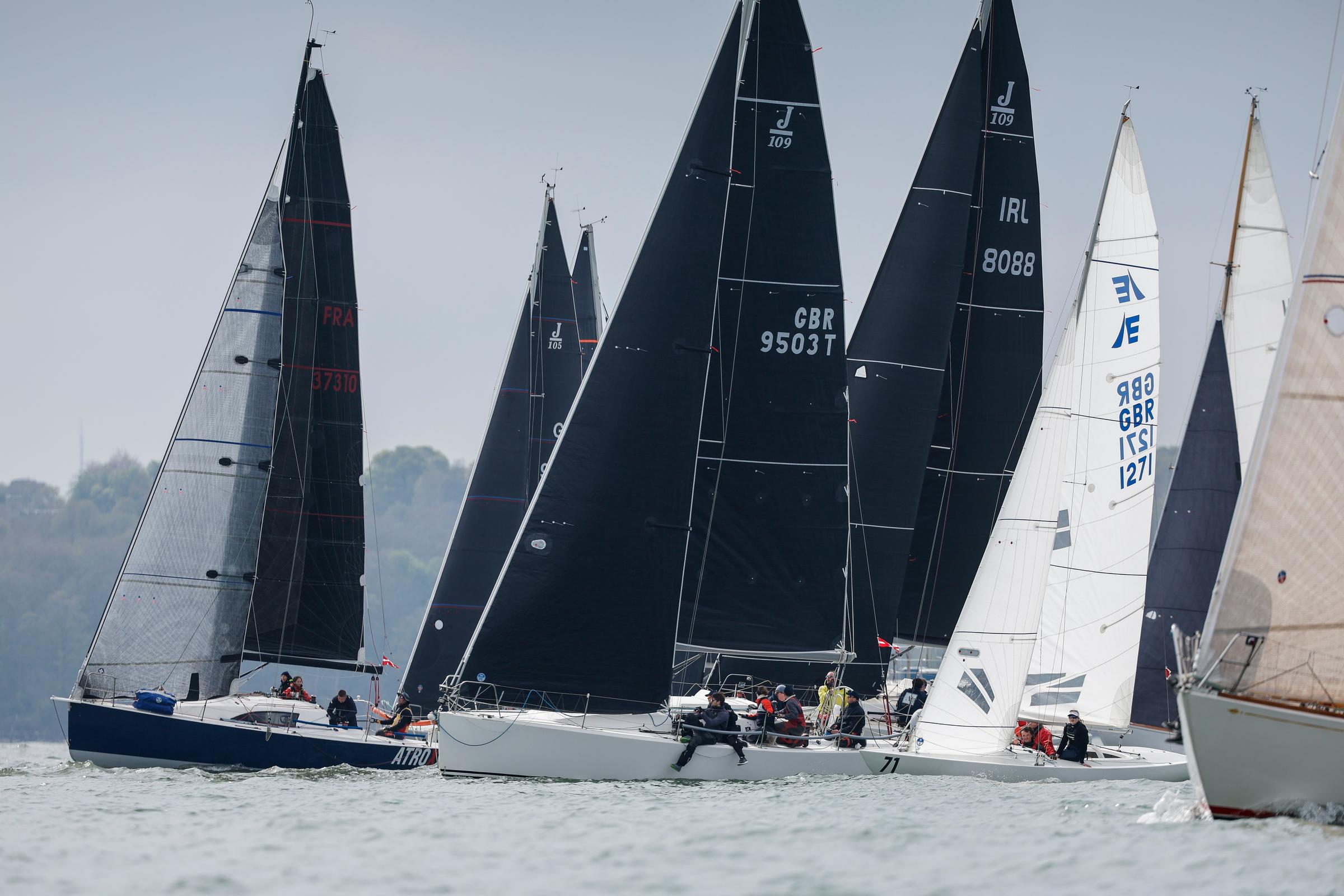 RORC Easter Challenge IRC 4 start © Paul Wyeth/RORC
Q2 How does the coaching work during the racing itself and what are you looking for on the water?
This year we are asking teams who are particularly keen on coaching to fly a RORC flag. That will help us focus our attention on the boats that want to develop the most. Across the coaching team we have expertise in all the key areas from crew work and sail trim to tactics and strategy. Admiral’s Cup Race Officer Stuart Childerley will also be setting some challenging courses. In addition to the usual windward leeward racing there will be opportunities for teams to practice different sail combinations and racing scenarios.
Q3 What kind of performance gains can teams expect from the video debrief sessions?
We will review starts, mark roundings and fleet positioning in detail. While the North Sails experts will be analysing sail selection and trim. Seeing your boat from outside the crew perspective is incredibly valuable and often reveals small adjustments that can make a significant difference.
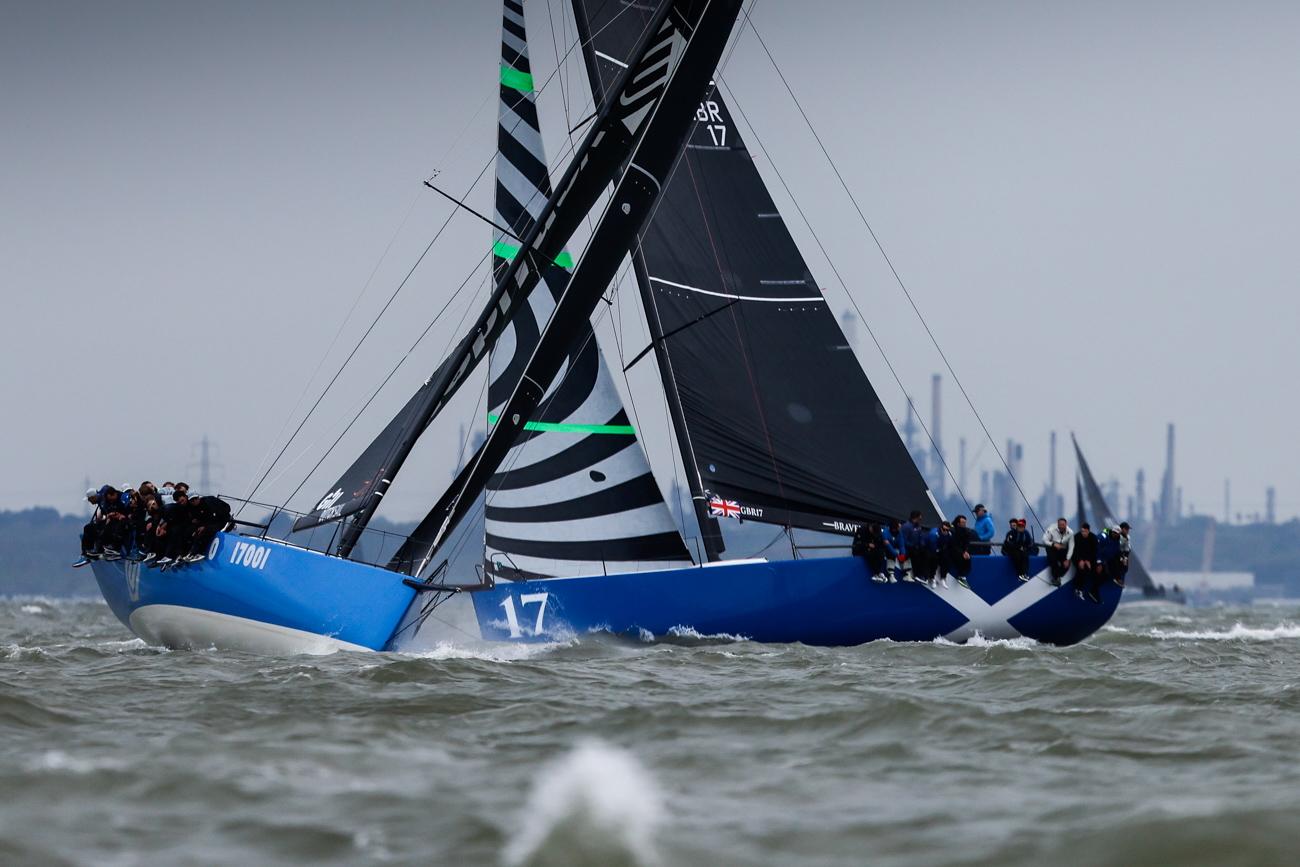 Ker 46 Van Uden & TP52 Braveheart © Paul Wyeth/RORC
Q4 The Solent can be a very technical race area. Why is it such a valuable training ground for teams?
I do not think anyone has completely mastered the Solent. The combination of wind, tides and geography means you can spend a lifetime learning more about it. The Solent hosts a huge number of inshore regattas each year but almost every RORC offshore race also starts or finishes there. Understanding how to race well in the Solent is incredibly useful for offshore sailors.
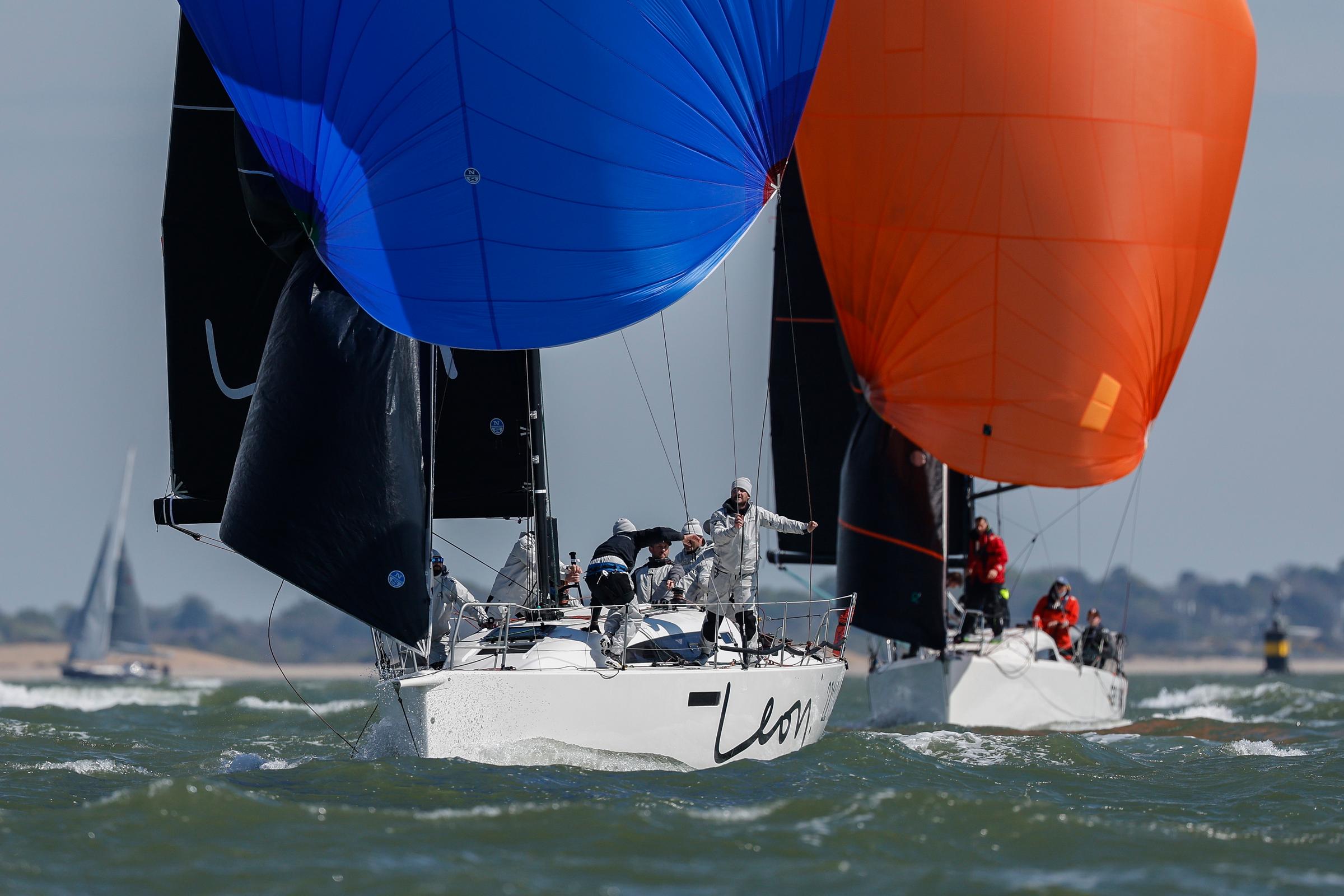 J/112 Leon © Paul Wyeth/RORC
Q5 Who benefits most from the coaching programme, experienced race teams or developing crews?
The coaching is primarily aimed at developing teams. However we are fortunate that some very experienced race teams also take part and they are often happy to contribute their thoughts during the debrief sessions. Offshore and inshore teams alike benefit from practicing sailing angles and manoeuvres that do not often appear in standard windward leeward racing.
Q6 What are the most common areas where teams improve over the three days?
For many teams the Easter Challenge is the only time they have the chance to review their performance from outside the boat. Using drone footage and on the water video we can analyse crew work, decision making and sail setup in detail. That outside perspective can make a huge difference.
Q7 For crews planning a busy offshore season how valuable is this type of early season training?
It is a must do. Race Officer Stuart Childerley will make sure the courses include sailing angles and manoeuvres that simulate real offshore scenarios. Crews then have the chance to watch those moments back during the debrief while the coaching team offers practical tips for improvement.
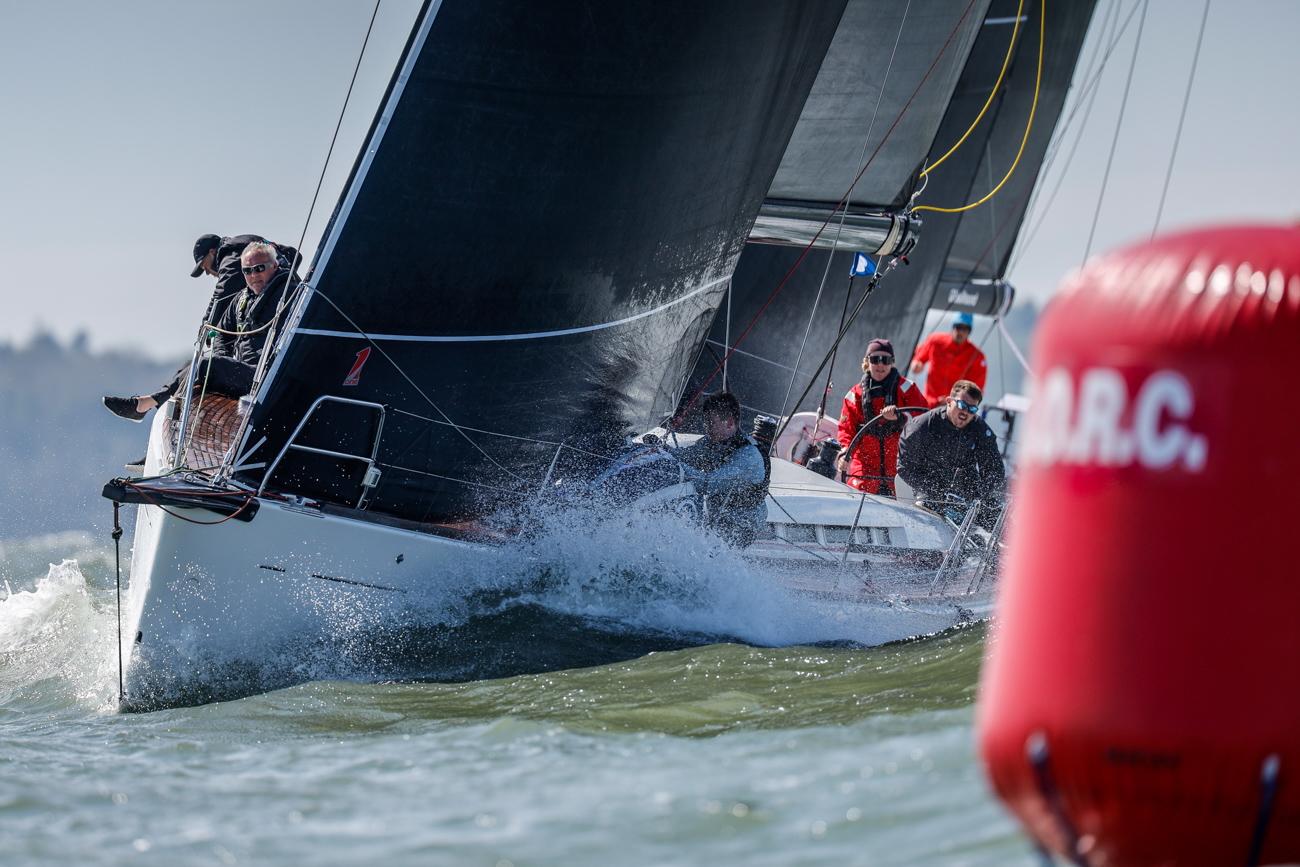 First 50 Checkmate XX © Paul Wyeth/RORC
The Ideal Season Opener
With competitive racing, expert coaching and the welcoming atmosphere of the RORC Cowes Clubhouse, the RORC Easter Challenge continues to attract a diverse fleet ranging from professional race teams to Corinthian crews preparing for the season ahead.
The event offers a rare opportunity to combine top level coaching with real race pressure, helping teams unlock performance before the major offshore and inshore events begin.
 RORC Cowes Clubhouse © Paul Wyeth/RORC
Enter the 2026 RORC Easter Challenge
The 2026 RORC Easter Challenge takes place 3 to 5 April 2026 in the Solent, with racing based from the RORC Cowes Clubhouse. Entry fees start from under £500 for a 40ft boat.
Full details, including the Notice of Race and entry information visit: SailRaceHQ
Racing takes place from Good Friday to Easter Sunday (03–05 April), with all competitors receiving a warm welcome ashore at the RORC Cowes Clubhouse. Accommodation and dining are available, but early booking is strongly recommended. Book here
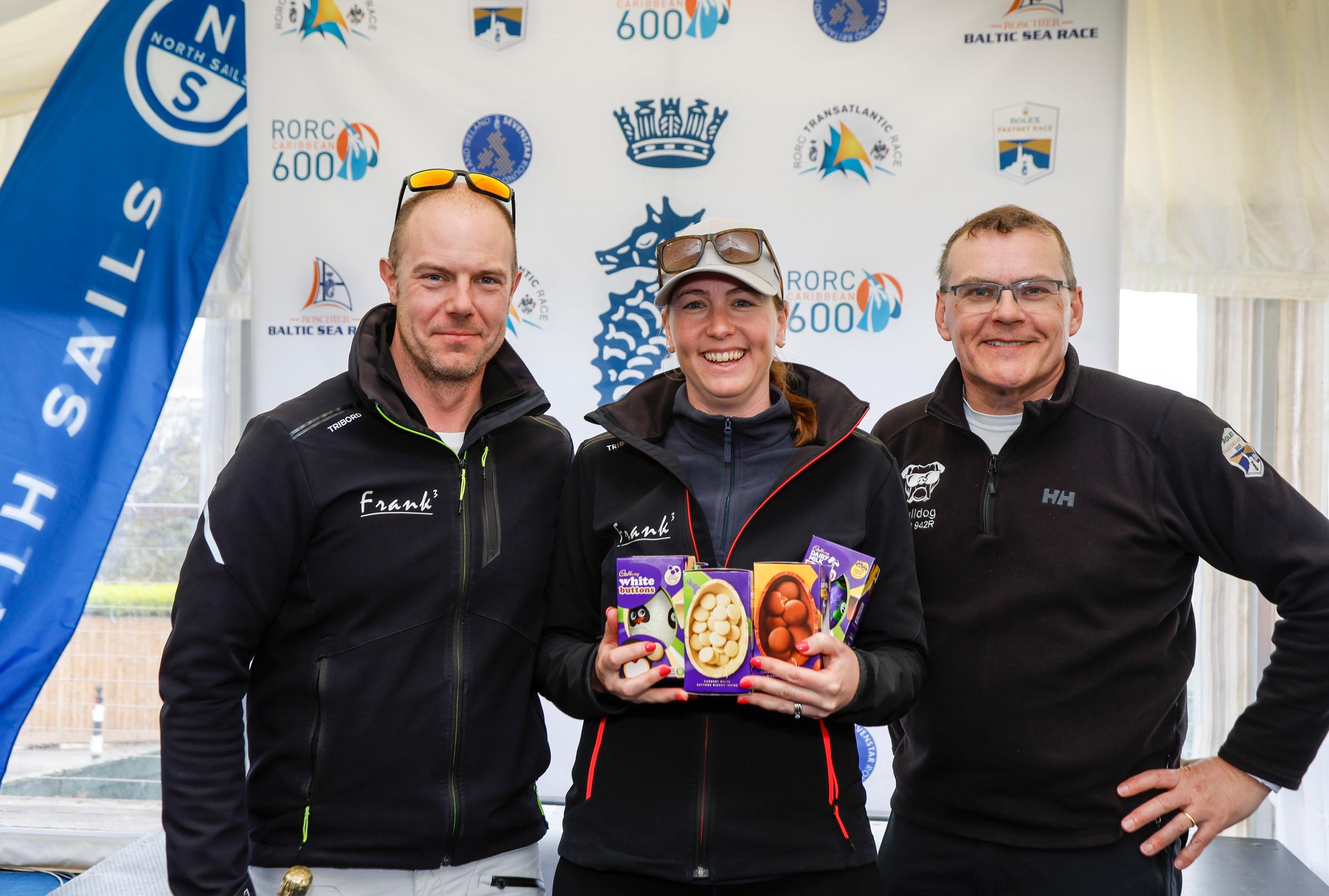 Frank 3 in the chocolates with RORC Vice Commodore Derek Shakespeare © Paul Wyeth/RORC