
Proven Campaigns Set for RORC Channel Race Showdown
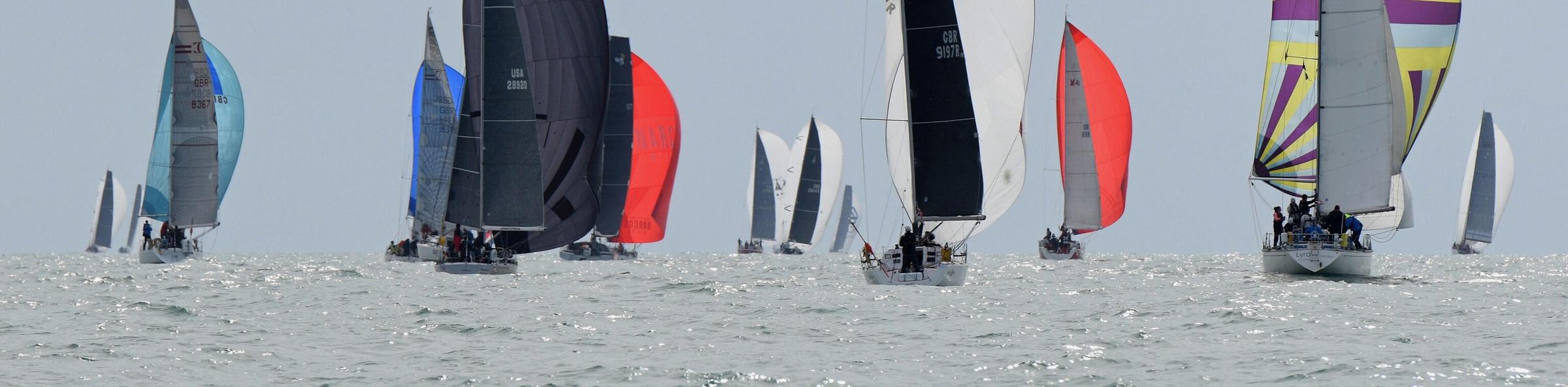
RORC Channel Race 2026
Start: Saturday 25 July 2026 FWS: 09:50 BST
Course: RYS Line to the west – around marks – Solent finish
Organised by the Royal Ocean Racing Club in association with the Royal Yacht Squadron
How to Follow the RORC Channel Race
For spectators in Cowes, the best place to watch the start will be from the shoreline around the Royal Yacht Squadron. The first warning signal is scheduled for 09:50 BST on Saturday 25 July, with the first start at 10:00. The fleet will start to the west from the Royal Yacht Squadron line. The full course will be published by 17:00 on Friday 24 July. Every boat will carry satellite tracking, allowing followers to watch the race unfold.
Near-live rankings and results
Channel Race Fleet
The RORC Channel Race is the 12th race of the RORC Offshore Season’s Points Championship, the world’s largest offshore racing series. It is also the penultimate race of the 2026 RORC Cowes Offshore Series, a seven race programme starting from Cowes with the best five to count towards the series.
Race crews, family and friends are welcome at the RORC Cowes Clubhouse on Friday 24 July with the RORC Channel Race pre-race supper forming part of the Club’s Cowes Offshore Series social programme. Booking is strongly recommended. https://www.rorc.org/clubhouses/cowes-clubhouse ;
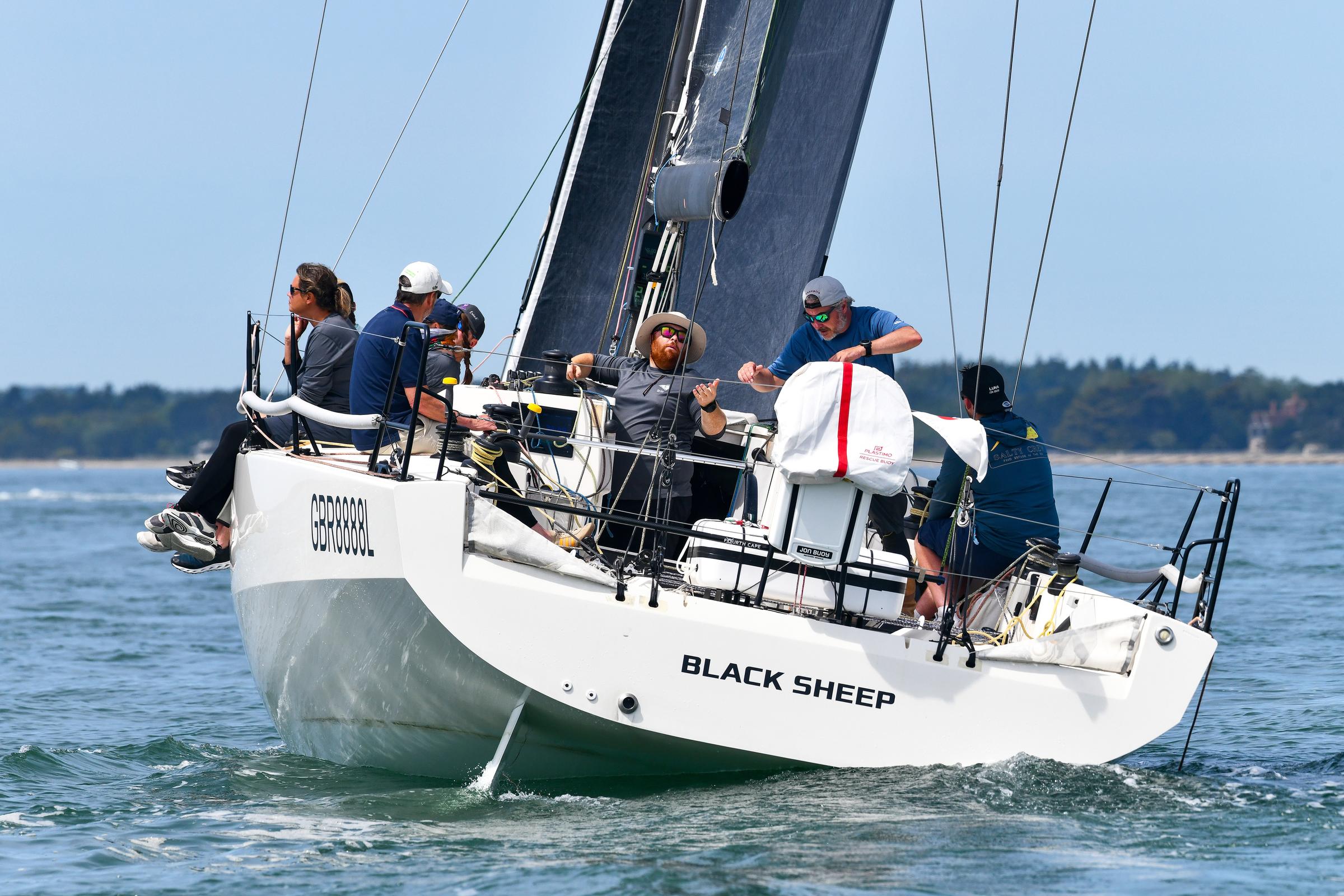 JPK 1180 Black Sheep © Rick Tomlinson/RORC
The 2026 RORC Channel Race brings together several of the most consistent campaigns of the season. IRC Zero promises a four-way contest between high-performance racers, while the wider fleet reflects the diversity of RORC offshore racing. RORC Season’s Points Championship class leaders in the RORC Channel Race include Trevor Middleton’s JPK 1180 Black Sheep and RORC Vice Commodore Derek Shakespeare with his J/122 Bulldog.
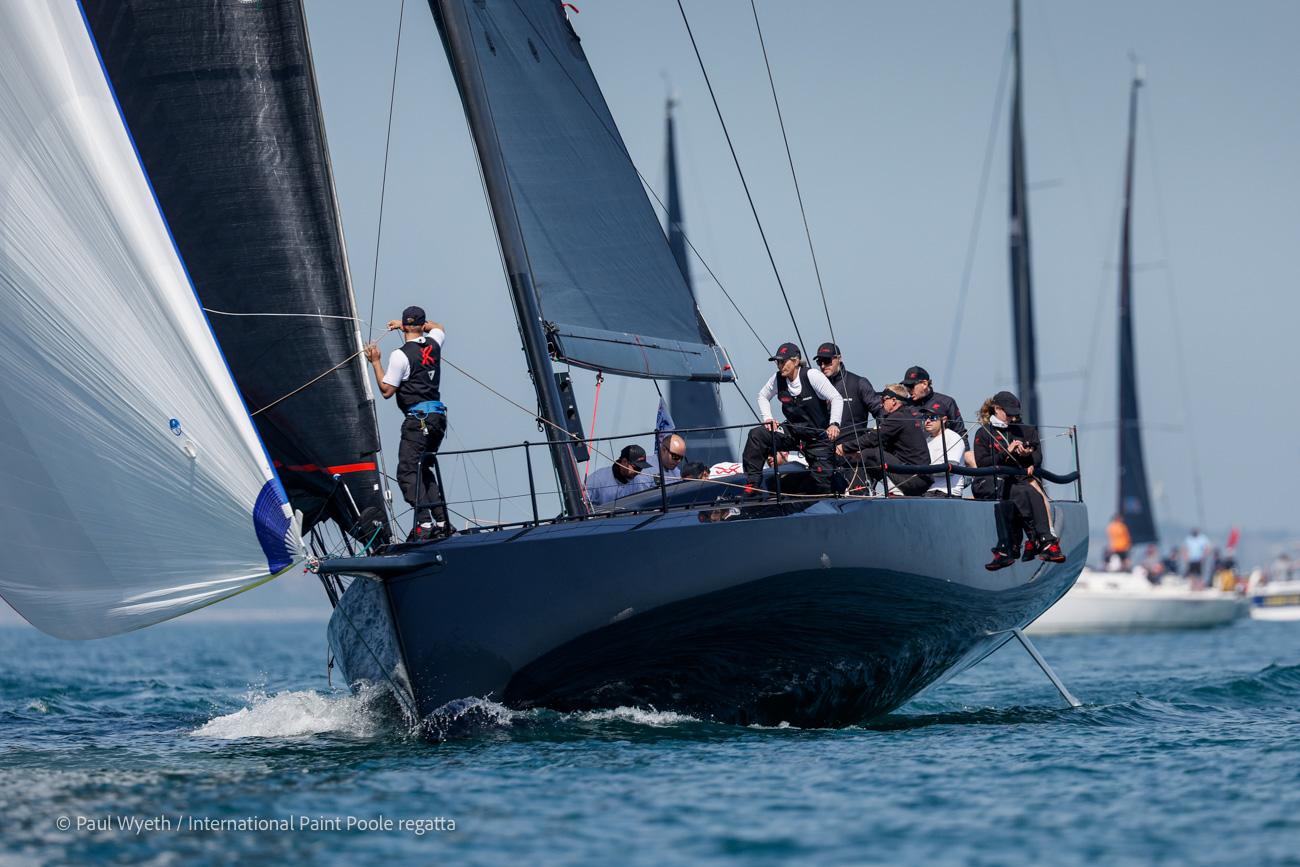 Botin 56 Khumbu © Paul Wyeth
IRC Zero brings together four very different high-performance campaigns. Guy Gillon’s Botin 56 Khumbu arrives in outstanding form after taking both line honours and the overall IRC victory in last month’s Round Ireland Race. James Neville’s TP52 Ino Veritas represented RORC at the 2026 Sardinia Cup, combining with Per Roman’s Garm to win the event for the Club. The young Dutch team on the Ker 46 ROST–Van Uden won its class in the Rolex Fastnet Race during the 2026 Admiral’s Cup, while Graeme Lewis’ powerful Carroll Marine 60 Venomous, which leads IRC Zero for the season, adds further pace to a compelling contest for line honours and IRC Zero victory.
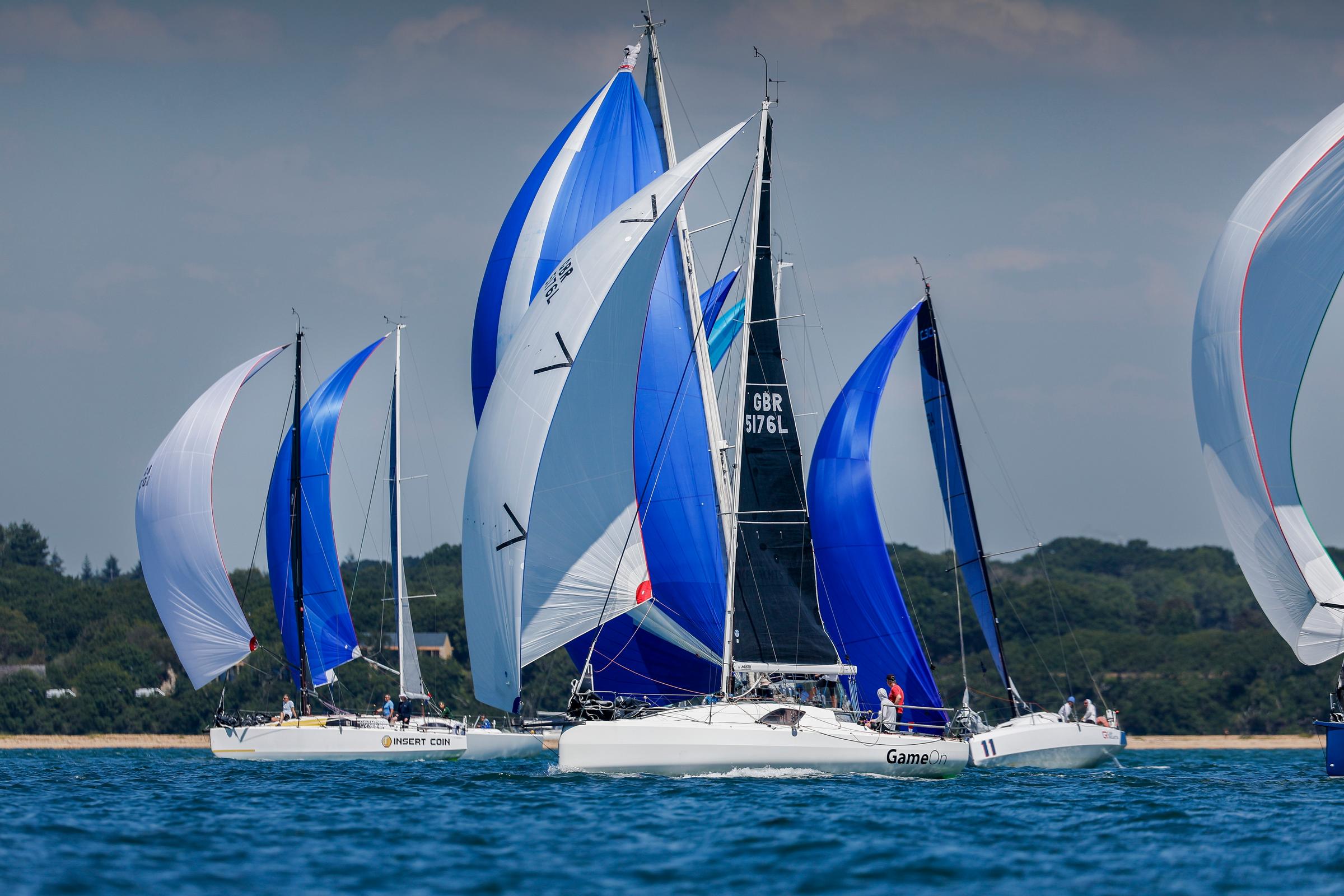 Sun Fast 3300 Sky Business-GameOn © Paul Wyeth/RORC
Twelve double-handed teams are entered, including Bellino, Diablo, Tigris and Sky Business-GameOn, all challenging for a place on the season podium. The division should again be one of the most competitive in the fleet.
Rob Craigie’s Sun Fast 3600 Bellino, racing with co-skipper and RORC Commodore Deb Fish, arrives after finishing third overall under IRC in the Cowes Dinard St Malo Race. Bellino also won IRC Three and the opening race of the 2026 IRC Two-Handed National Championship. Nick Martin’s Sun Fast 3600 Diablo has also shown impressive pace this season, racing with Joe Slipper, Gavin Howe’s Sun Fast 3600 Tigris and Ian Hoddle’s Sun Fast 3300 GameOn are among the year’s consistent double-handed success stories.
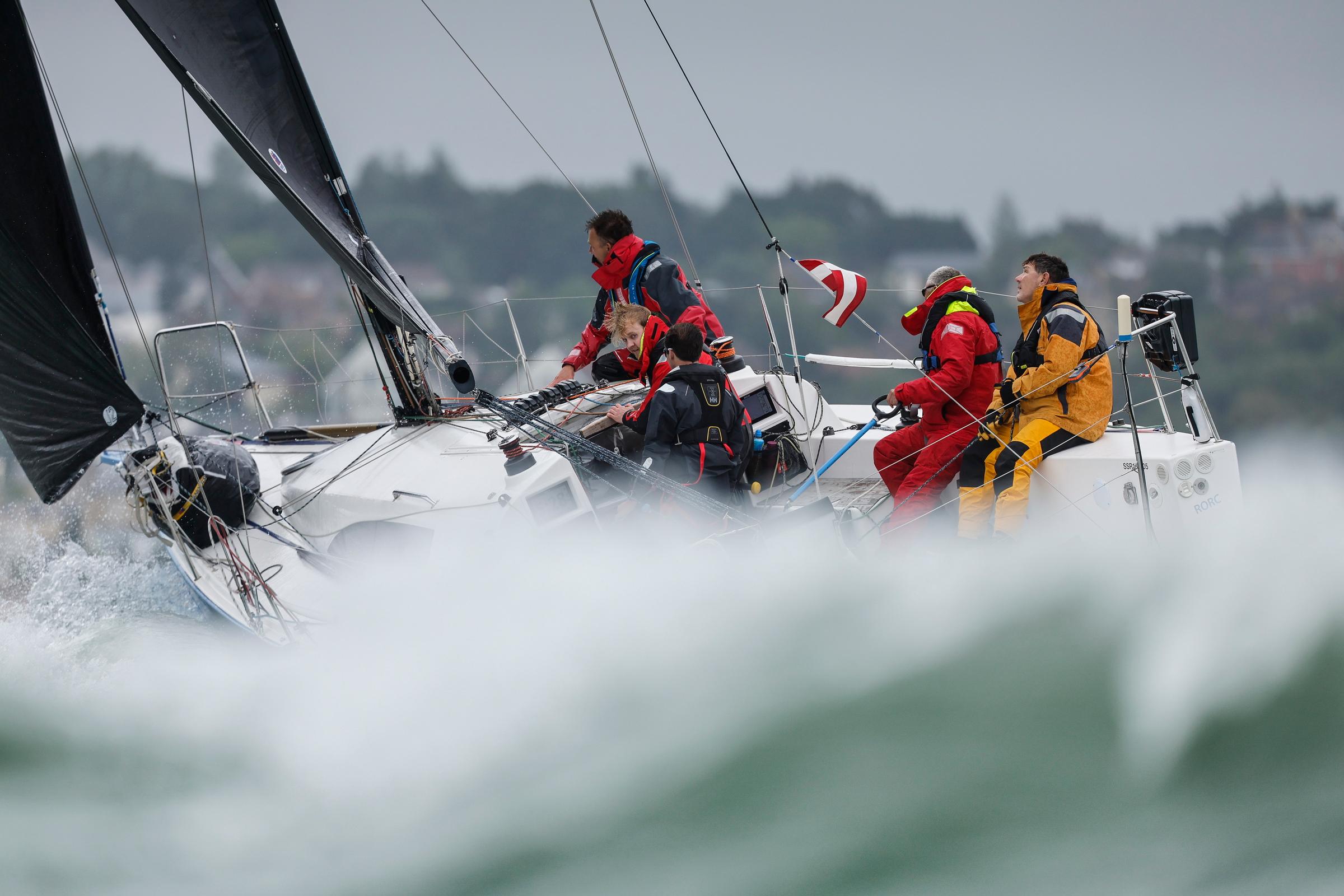 JPK 1010 Jetpack © Paul Wyeth/RORC
The smaller IRC classes should again produce close competition. Mark Brown’s JPK 1010 Jetpack brings further proven form leading IRC Four for the season as well as defending last year’s title. Rob Cotterill’s J/109 Mojo Risin’ is a proven performer and is just four points behind Jetpack for the season.
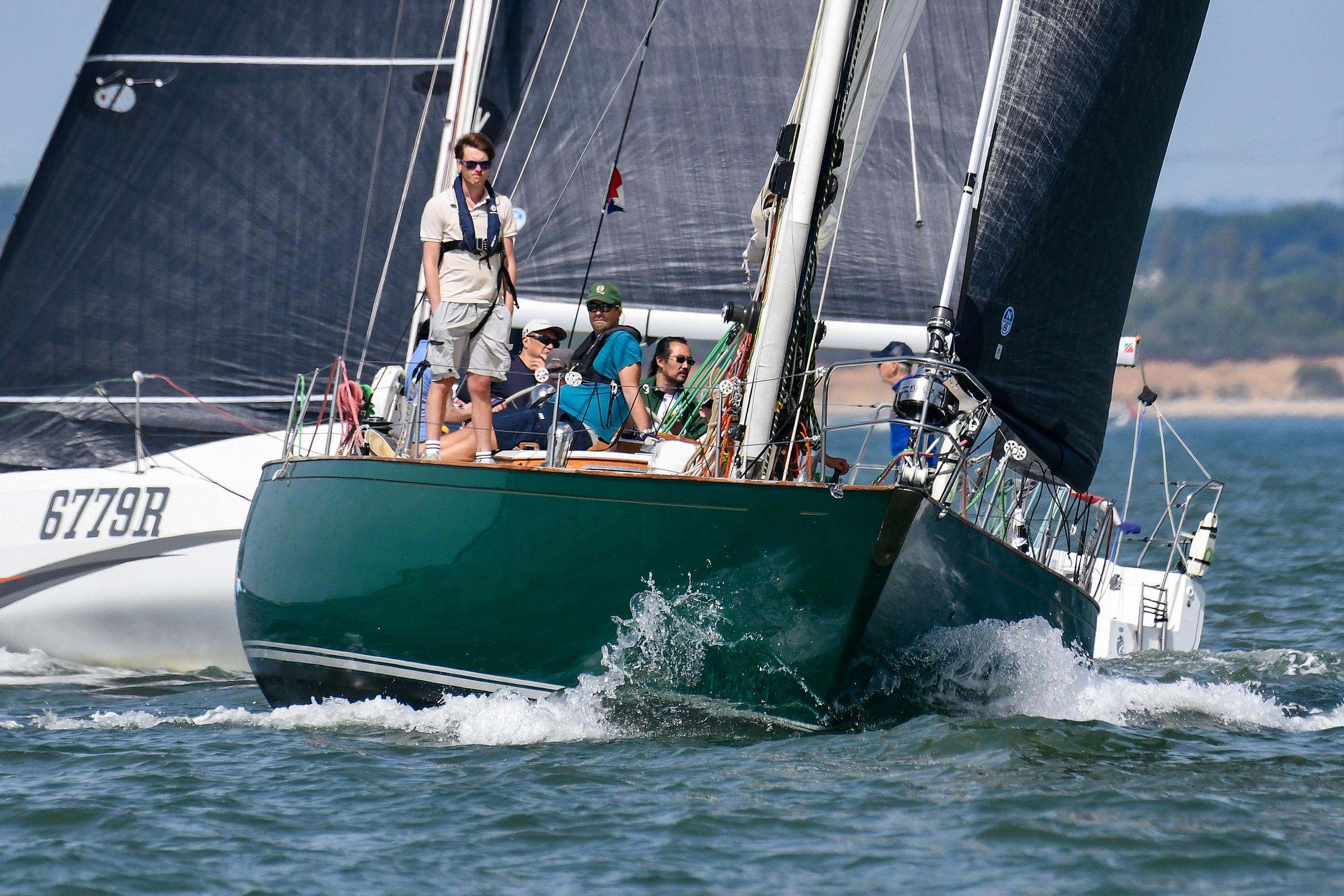 Nicholson 55 Quailo III © Rick Tomlinson/RORC
Classic entries include Andrew Tseng’s Nicholson 55 Quailo III and Swan 44 Astrid skippered by Paddy Moriarty.
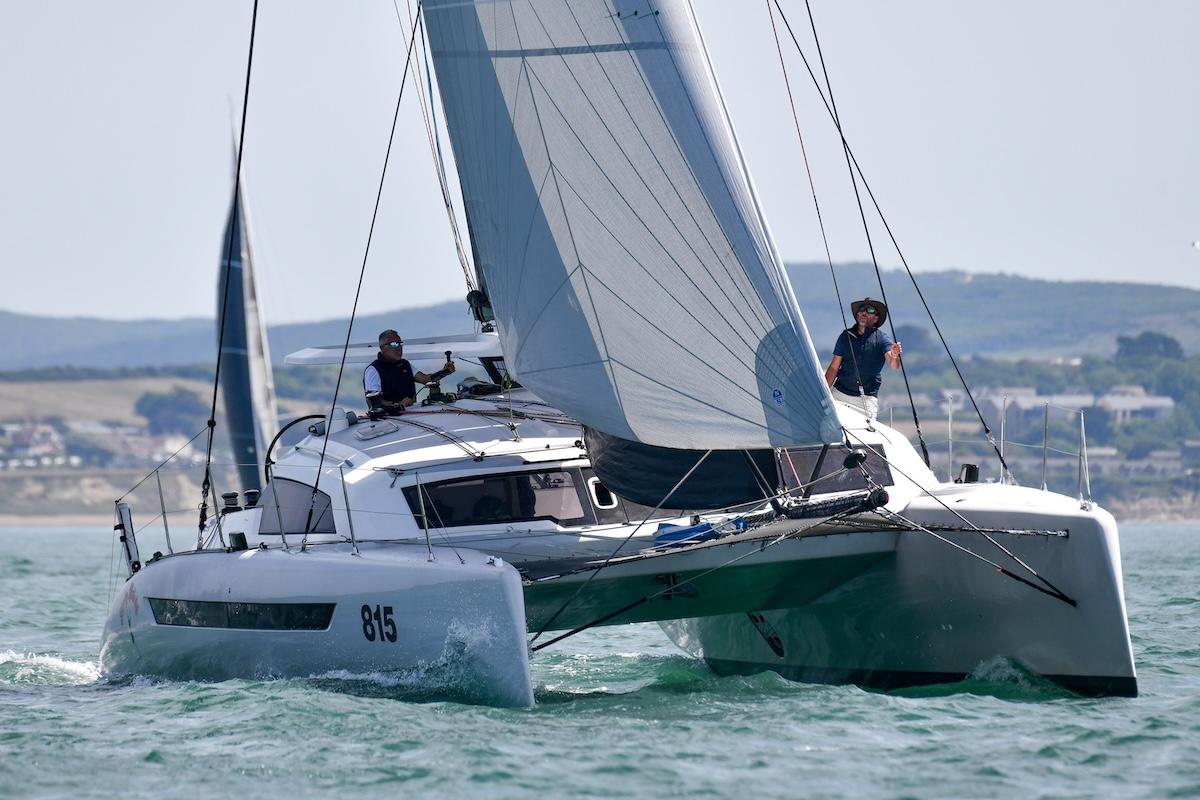 Dazcat 1295 Slinky Malinki © Rick Tomlinson/RORC
In the MOCRA Class, RORC Season’s Points Championship leader Peter Coote’s Slinky Malinki will be racing. James Holder’s Grainger 36 trimaran Uno returns to RORC racing having taken line honours by a whisker in the RORC Myth of Malham Race. Jonathan McColl’s pocket-rocket Shuttleworth 34 Shockwave makes up a trio of multihulls for the RORC Channel Race.
The race will also provide an important final offshore test for many boats entered in next month’s Round Britain and Ireland Race. Among them are Bellino, GameOn, Fujitsu British Soldier, Kestrel, Ronin, Quailo III, RORC Griffin, Venomous, Tigris and Class40 Swift.
For the RORC Griffin Youth Pathway team, racing the Sun Fast 3600 RORC Griffin, the Channel Race is a final opportunity to test offshore systems, decision-making and teamwork before the 1,805-nautical-mile circumnavigation starts on 9 August.
Across the fleet, the variety of designs makes the overall result difficult to predict. A fast reaching race could favour the more powerful boats, while tidal compression or extended periods of light wind may bring the smaller boats firmly into contention. As recent RORC races have shown, the overall IRC winner can come from almost any class.
With established fully crewed campaigns facing some of the most accomplished double-handed sailors in the RORC fleet, the Channel Race promises close competition throughout the rating bands. The course may be relatively short by offshore standards, but there will be little opportunity to ease the pressure from the start off Cowes until the final approach to the Solent.
Deep RORC History
First held in 1928, the Channel Race was originally known as the Junior Ocean Race. It was created as a shorter alternative to the Fastnet Race, giving smaller yachts and developing offshore crews a demanding race of their own.
The inaugural fleet of 12 boats raced from Cowes to Cherbourg and back, with victory going to Robert Somerset’s 34ft cutter Penboch. Somerset would later become Commodore of the Royal Ocean Racing Club.
The Channel Race also holds an important place in the history of the Admiral’s Cup. In 1957, it became the opening race of the competition then known as the Gold Cup, establishing its reputation as a searching test of offshore speed, teamwork and reliability.
Nearly a century later, the essential character of the race remains unchanged. It is long enough for navigation, weather and fatigue to become decisive, but short enough to demand maximum intensity from beginning to end.